

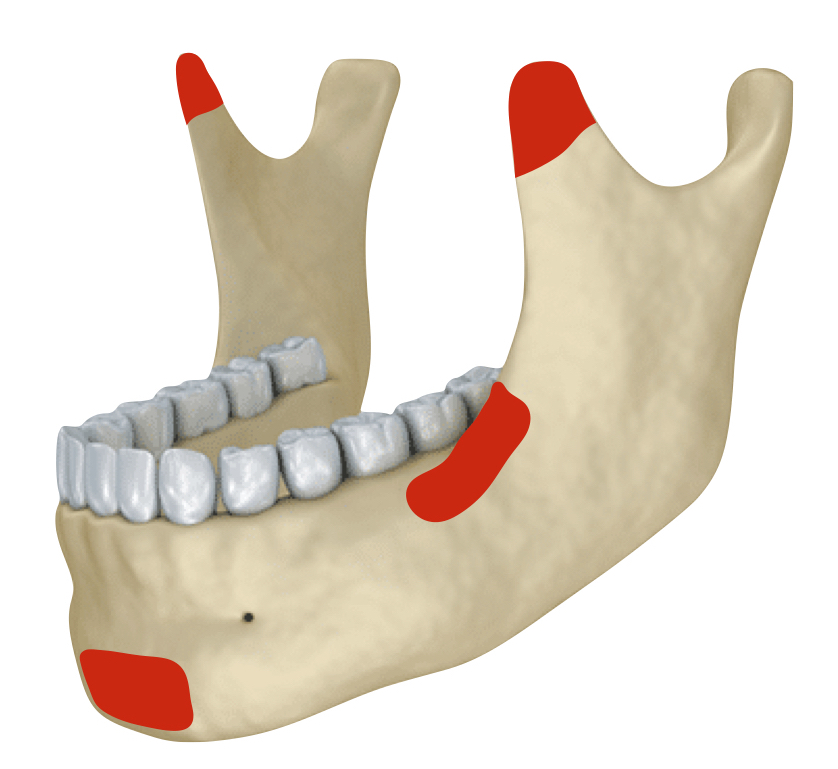
This can be overcome by a surgical procedure known as bone grafting. This is commonly performed prior to dental implants or when the bone loss is negatively impacting the neighboring teeth. Denver family dentist provides bone grafting procedures in the most effective and simplest way possible.
Bone grafting counteracts jaw bone resorption
Bone grafting is a surgical procedure that involves adding volume and density to your jaw in areas where bone loss has occurred. The bone material is extracted from your own body, or it could be synthetic in nature.
A bone graft helps to reinforce the weakened or lost alveolar bone that is responsible for stabilizing your teeth. It effectively counteracts the natural resorption of the jaw bone post-tooth extraction. This helps to preserve both your facial profile and your overall oral function.
Bone grafting is indicated when there is alveolar bone loss
Bone grafting is usually indicated when there is bone loss in your jaw. The procedure may be recommended if you:
- Need to get your tooth extracted
- Plan to replace missing teeth with a dental implant
- Need to rebuild the jaw before getting dentures
- Having areas of bone loss due to gum disease
Bone grafting is a safe and well-tolerated procedure
- You will receive anesthesia (a numbing agent) before the procedure, and your vitals (BP, heart rate, pulse) will be monitored.
- The affected area will be cleansed with a disinfectant.
- Your dentist will begin with a small cut or incision in the gums to separate it from the bone.
- The gum flap is lifted and the bone material will be placed between two sections of the bone that need to grow together.
- The bone graft will be secured using special screws or adhesive material.
- The incision will be closed by suturing the tissues.
- Your jaw will feel normal after a few weeks, however, it may take months before your jaw is strong enough to receive implants.
Bottom line
Bone grafting is performed to prevent long-term health problems associated with tooth loss and gum disease. It also aids in providing sufficient bone material to support dental implants.
