

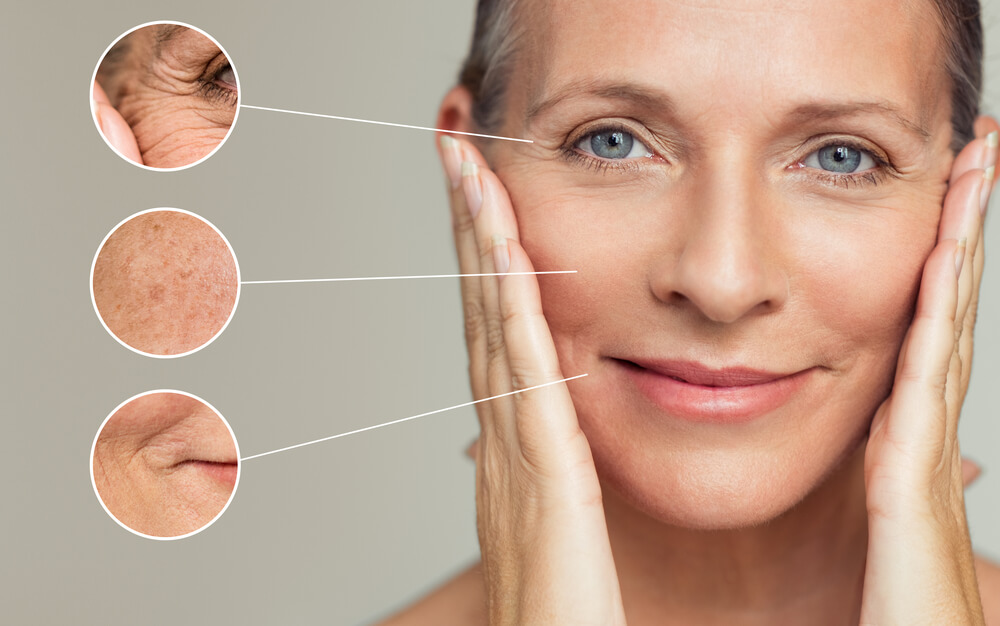
Identifying your skin type is crucial for selecting the right skincare products. If your products don’t match your skin’s needs—whether dry, oily, sensitive, normal, or combination—they may not help and could even cause more problems. Each skin type has unique challenges, and using the wrong products can make issues worse. At DNA Skin Clinic, experts can help you determine your skin type and recommend personalized skincare solutions. By taking a simple skin type test, you can better understand your skin and create an effective skincare routine.
How to Test Your Skin Type
Every person’s skin falls into one of five main categories. Skin type is influenced by genetics and the amount of oil (sebum) your skin produces. Other factors like weather, environment, and aging also play a role. For example, skin can become oilier in the summer or drier as you age. Knowing your skin type helps you choose the best products to target specific issues.
The Bare-Faced Method
- Wash your face with a gentle cleanser, then dry it without using skincare products.
- Wait about 25 minutes and examine your skin.
- If it feels tight or dry, your skin is likely dry.
- If it looks shiny or greasy, it’s oily.
- If it shows both oiliness and dryness, it’s a combination.
- If there’s no dryness or oiliness, it’s normal.
The Blotting Sheet Method
- Use a tissue or blotting paper on different areas of your face, especially the T-zone (forehead, nose, and chin).
- Hold the sheet up to the light to check for oil.
- A lot of oil indicates oily skin.
- Minimal oil suggests combination skin.
- No oil means your skin is normal or dry.
It’s a good idea to test your skin type at different times of the day, as weather, activity, and stress can influence your skin.
Different Skin Types
Dry Skin
Dry skin lacks moisture, often due to genetics, age, weather, or harsh products. It feels tight, itchy, flaky, and sometimes rough. For dry skin, hydration is key. Look for thick moisturizers with humectants like glycerin, ceramides, or panthenol to lock in moisture. Applying these products when your skin is damp can help seal in hydration.
Oily Skin
Oily skin generates excess sebum, resulting in a shiny look and potentially clogged pores. It’s more prone to acne but less likely to show wrinkles early. Use lightweight, oil-free products and ingredients like salicylic acid to control oil without drying your skin.
Combination Skin
Combination skin has oily areas (usually the T-zone) and dry areas (like the cheeks). It requires a mix of products to balance hydration and oil control. For example, you can use a lightweight moisturizer on oily spots and a richer one on dry areas.
Normal Skin
Normal skin has a balanced oil and moisture level. It’s not too oily or dry and usually has minimal imperfections. Maintaining normal skin is about sticking to a consistent routine with gentle products.
Sensitive Skin
Sensitive skin is easily affected by redness, irritation, or allergic reactions. It may sting when using certain products. Look for gentle, fragrance-free skincare specifically designed for sensitive skin.
