

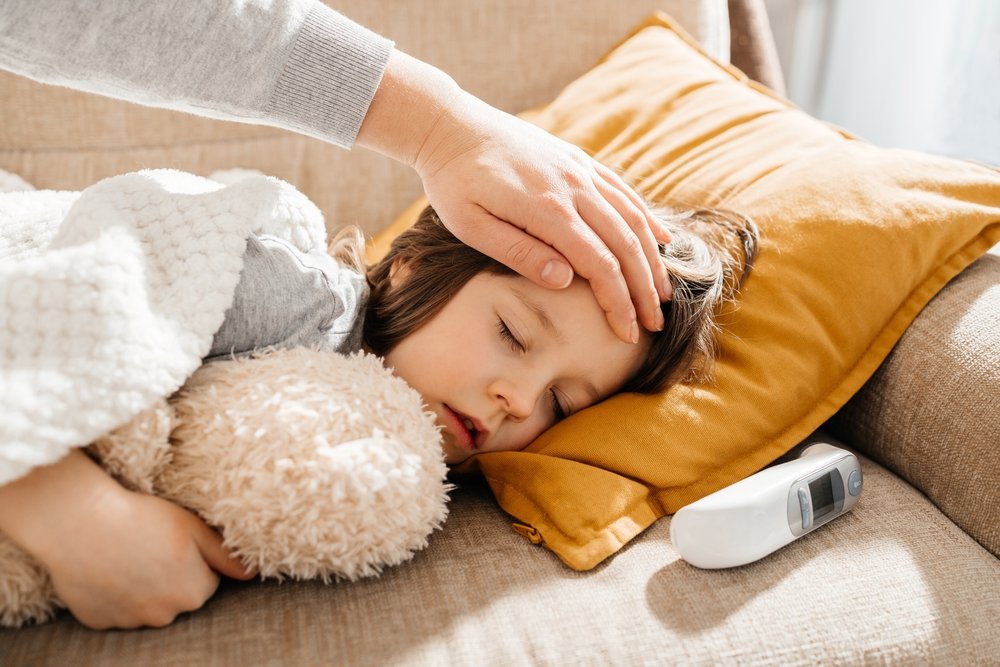
Seeing a child with a fever can be worrying, especially when they appear tired, irritable, or uncomfortable. Fever is usually a sign that the body is responding to an underlying infection, and many childhood fevers improve as the illness resolves. Knowing how to provide comfort while monitoring for warning signs can help parents and caregivers manage the situation appropriately.
Understanding pediatric fever and how it affects a child’s comfort is an important first step. A temperature of 38°C or higher is generally considered a fever in children. However, temperature is only one part of the picture; the child’s behaviour, hydration, breathing, and overall appearance also provide useful information.
1. Encourage Plenty of Fluids
Fever can increase fluid loss, particularly when a child is sweating or breathing more rapidly. Offering fluids regularly can help reduce the risk of dehydration.
Young children can be offered water, while babies should continue breastfeeding or formula feeding as usual. If a child does not want to drink a large amount at once, offering smaller amounts more frequently may be easier.
Watch for signs of dehydration, including noticeably reduced urination, a dry mouth, sunken eyes, or fewer wet nappies than usual.
2. Choose Comfortable Clothing
A child with fever may feel hot and uncomfortable, but wrapping them in thick blankets is not recommended. Lightweight, breathable clothing can help them remain comfortable.
The room can also be kept cool and well ventilated. Avoid trying to make a child sweat out a fever by covering them with excessive clothing or bedding. The aim is comfort rather than forcing the temperature to return immediately to normal.
3. Allow Plenty of Rest
Rest gives the body an opportunity to recover while the immune system responds to the underlying illness. Children with fever may sleep more than usual, and allowing additional rest can be helpful.
At the same time, caregivers should continue checking on the child regularly. A child who is sleeping should generally be responsive and able to wake when gently roused.
If a child becomes unusually difficult to awaken, confused, or extremely lethargic, medical attention is needed.
4. Offer Food Without Forcing It
Fever can temporarily reduce appetite. If a child is not interested in eating, there is usually no need to force meals while they are unwell.
Instead, focus on maintaining adequate fluid intake. When appetite returns, offer familiar foods that the child finds comfortable to eat.
For infants, continue their usual breast milk or formula feeds unless a healthcare professional has advised otherwise.
5. Consider Fever-Reducing Medicine
When a child is distressed or uncomfortable, a healthcare professional may recommend a fever-reducing medicine such as paracetamol. The appropriate dose for children should be based on weight and the product instructions or medical advice.
Ibuprofen may also be suitable for some children, but age, weight, hydration status, medical conditions, and the cause of the fever should be considered. It is not appropriate for every child.
Parents should avoid giving aspirin to children and should not combine or alternate fever medicines unless specifically advised by a healthcare professional.
6. Use Lukewarm Water When Appropriate
For children with fever, some caregivers may consider sponging as a way to improve comfort. Some experts advise using lukewarm water rather than ice-cold water.
Cold water can cause shivering, which may make a child feel more uncomfortable. Sponging should also not continue for prolonged periods.
The priority is keeping the child comfortable rather than aggressively lowering their temperature.
7. Monitor More Than the Thermometer
Temperature readings are useful, but they do not tell the entire story. A child who has a fever but remains alert, responsive, drinking adequately, and interacting normally may be less concerning than a child with a lower temperature who appears seriously unwell.
Keep track of the child’s temperature, fluid intake, urination, behaviour, and any new symptoms. This information can also be useful if medical assessment becomes necessary.
Parents should trust their concerns as well. If a child appears to be getting worse or something does not seem right, seeking medical advice is appropriate.
When Should You Seek Medical Attention?
Certain symptoms require prompt medical assessment. In Singapore, children younger than three months with a temperature of 38°C or higher should receive immediate medical attention.
Medical attention is also important when a child has difficulty breathing, is difficult to awaken, appears confused or extremely lethargic, develops unusual bruising or a rash, experiences a seizure, or has significantly reduced fluid intake or urine output.
A fever that persists for several days should also be assessed by a healthcare professional, particularly when accompanied by other concerning symptoms.
Keeping a Child Comfortable and Safe
Managing children fever at home involves more than simply lowering the number shown on a thermometer. Providing fluids, encouraging rest, using comfortable clothing, offering food according to appetite, and monitoring behaviour can help a child feel more at ease while recovering.
Most importantly, caregivers should remain alert to changes in the child’s condition. Children’s fever can accompany many different illnesses, so persistent or concerning symptoms deserve professional evaluation.
With attentive monitoring and appropriate comfort measures, parents and caregivers can provide supportive care while allowing the child time to recover. When in doubt, consulting a doctor or qualified healthcare professional can provide reassurance and help determine whether further assessment is needed.
