

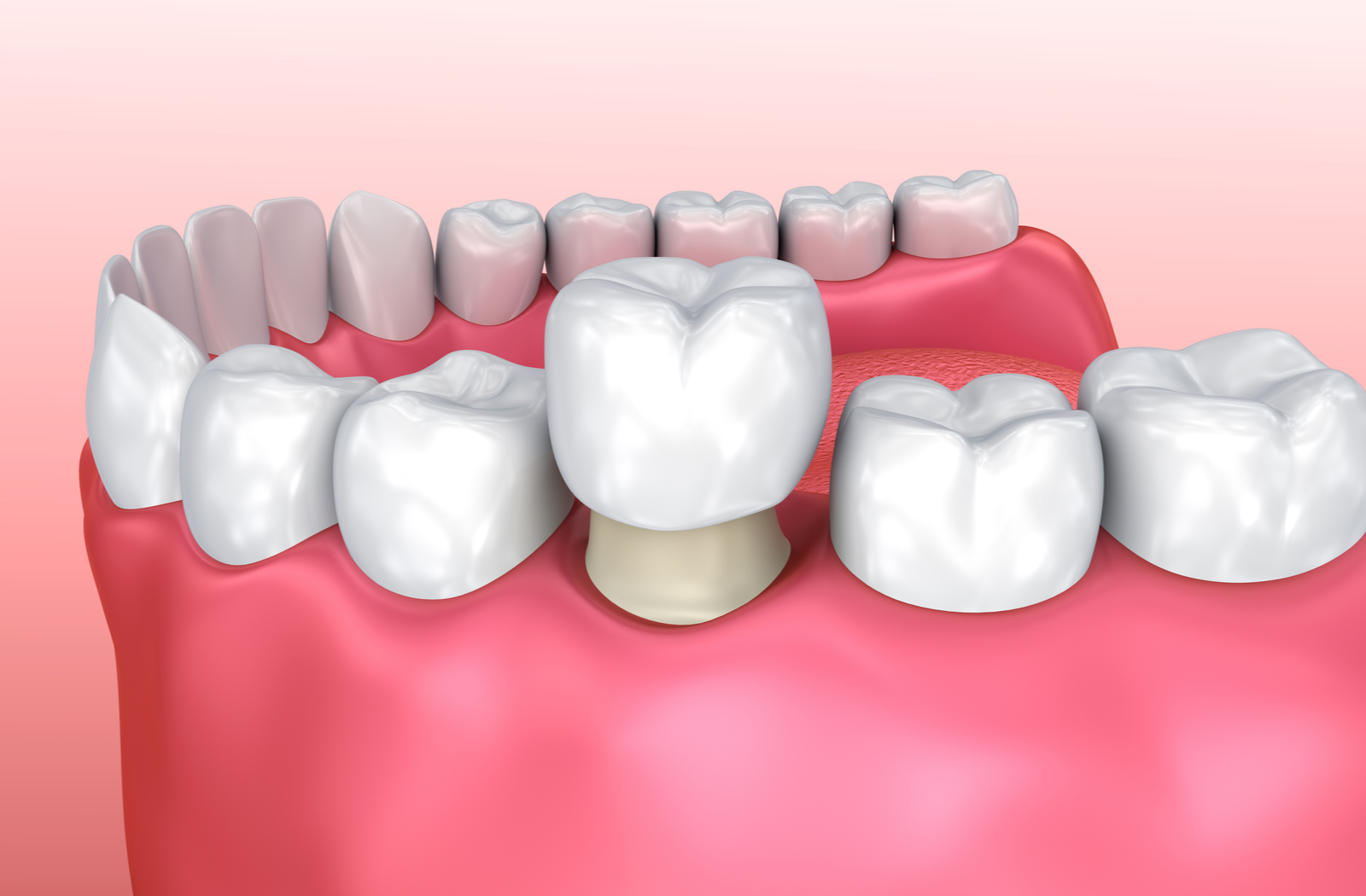
Dental crowns are a common and essential solution in modern dentistry. They are used to cover and protect teeth that are damaged, decayed, or weakened, and they help restore both the function and appearance of your smile. While they offer many advantages, crowns also come with certain limitations.
Dental crowns are made from various materials, including porcelain, ceramic, metal alloys, or a combination of these. Dental professionals choose the material based on the tooth’s location, function, and aesthetic needs. The purpose of a crown is to protect the remaining tooth structure and prevent further damage while restoring normal function.
Uses of Crowns
Dental crowns serve many roles in dental care:
- Restoring function after severe tooth decay
- Protecting weak or cracked teeth from further damage
- Covering discolored or misshapen teeth
- Supporting dental bridges
- Capping dental implants
Advantages of Dental Crowns
Strengthens Weakened Teeth
Crowns are especially useful for teeth that have suffered major damage due to cavities, cracks, or wear. Once the crown is placed, it acts as a shield, making the tooth stronger and helping prevent additional decay or breakage.
Enhances Appearance
Porcelain and ceramic crowns look very similar to natural teeth. They are often used on front teeth to fix issues like discoloration, chips, or uneven shapes, helping create a more attractive smile.
Restores Function
Crowns restore the normal chewing and biting function of damaged teeth. Whether it’s a back molar or a front tooth, a crown helps you use your teeth with the same strength and comfort as you would with healthy natural teeth.
Supports Other Dental Work
Crowns are also essential for other dental procedures, such as anchoring bridges or completing dental implants. They help maintain the alignment and spacing of teeth, which is important for overall oral health.
Disadvantages of Dental Crowns
Tooth Preparation Is Permanent
To fit a crown, the dentist needs to reshape the natural tooth so the crown fits in properly. This is a permanent change. Once a crown is placed, the tooth will always need a crown to function properly, even if there is no further damage in the future.
They Need Replacement Over Time
Crowns are durable, but they are not permanent. Most crowns last between 10 and 15 years with proper care, but they may wear down, crack, or become loose over time. Eventually, they will need to be replaced to avoid problems with the tooth or surrounding teeth.
Potential Sensitivity
After crown placement, some people may experience sensitivity, especially to hot or cold foods. In some cases, the crown may need to be adjusted or additional treatment provided to ease discomfort.
Conclusion
Dental crowns are a valuable tool in restoring damaged teeth, both in appearance and function. They offer long-term solutions that help you maintain a healthy mouth without needing to remove a tooth. While the preparation process is permanent and crowns will need replacement over time, their benefits often outweigh the downsides. If you’re dealing with a weak, cracked, or decayed tooth, talk to your dentist to see if a dental crown is the right solution for you.
