Close Menu
    Facebook X (Twitter) Instagram
    Medical Brief
    • Health
    • Eye care
    • Dental
    • Fitness
    • Medicine
    Medical Brief
    Home » Root Canal Basics for Manhattan Patients
    Dental

    Root Canal Basics for Manhattan Patients

    Diller PalumboBy Diller PalumboOctober 23, 2025Updated:November 2, 2025No Comments3 Mins Read
    Facebook Twitter Pinterest LinkedIn Tumblr Email
    Share
    Facebook Twitter LinkedIn Pinterest Email

    Deep decay in a tooth can cause extreme pain and discomfort. Dentists always do their best to preserve a natural tooth to prevent an extraction. If the inside of the tooth, also called the pulp, is affected, your Manhattan, NY dentist may recommend root canal therapy, also called RCT. An extraction may seem like an obvious choice, but you may end up spending more on replacing the missing tooth. Not to forget, an extraction can also cause issues for adjacent teeth. If you are stepping into a dental clinic for root canal therapy, here’s what you should expect.

    The initial consultation

    Your dentist may look for evident signs of decay, which may include sensitivity to hot and cold foods and drinks, severe toothache, and swelling. Some patients may not have any symptoms of deep decay at all. Even when a dentist suspects the need for RCT, they will take X-rays to determine the structure of the tooth and the root canals. Your dentist may initiate the treatment on the same day or give you an appointment for a later date. For accurate diagnosis and expert care, consult a Dentist in Paradise, NV who can ensure timely and effective root canal treatment.

    Reviewing the root canal procedure

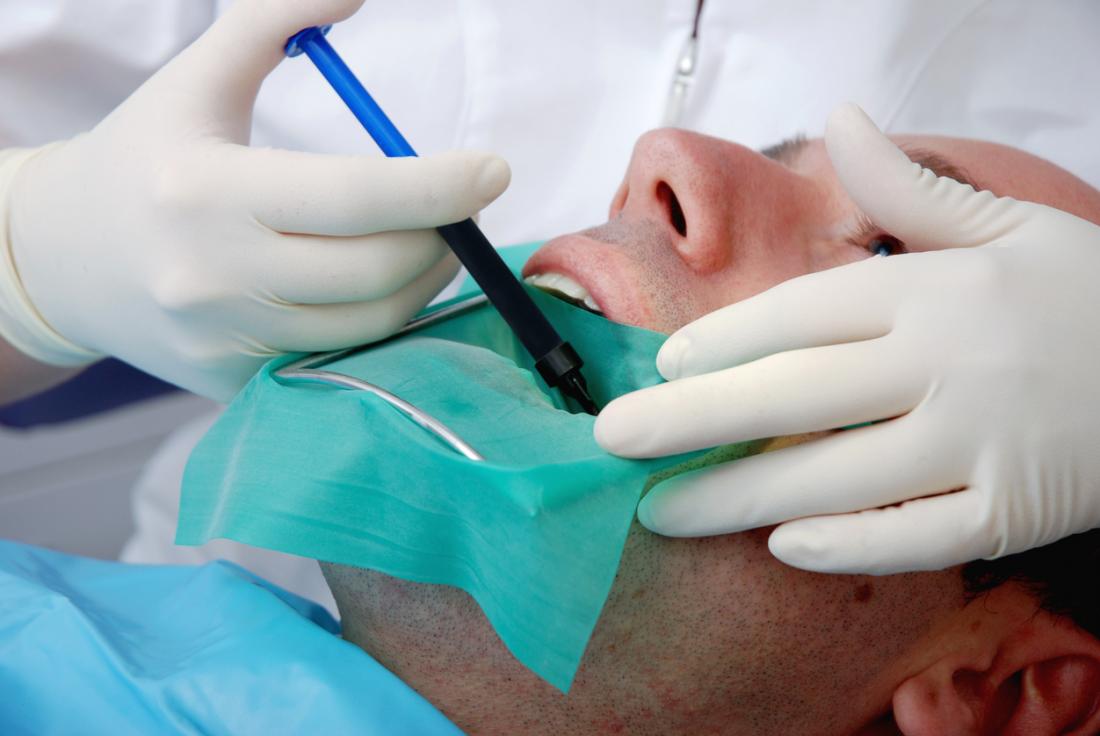
    You may need to visit your dentist twice or more to complete the root canal procedure. The first step is to use a local anesthetic agent to numb the tooth, following which the dentist will place a dental dam to keep the tooth dry. Using special devices, an access opening is created on the top of the tooth, which will allow the endodontist to access the root canals. Dental files are used inside the canals to remove the pulp, bacteria, and decay. The tooth is then cleaned using antibiotic cleansers and sealed with a permanent sealing. Between the appointments, your dentist will place a temporary filling. Because the inside of the tooth becomes hollow after root canal treatment, patients usually need to get a crown, also called a cap, to restore the full function of the tooth.

    Will root canal treatment hurt?

    The short answer is no. Depending on the extent of the infection or decay, most patients don’t feel any pain, although there might be some discomfort. Your dentist will use local anesthesia, which further helps in preventing pain during the procedure.

    Following root canal treatment, you may have to return for a couple of appointments to get a crown or a bridge. Your dentist will also share instructions that you must follow after each session. Book an appointment to learn more.

    situs togel online

    situs toto

    situs togel

    toto togel

    situs bento4d

    sydney night

    togel online

    bento4d

    bento4d

    bento4d

    bento4d

    slot gacor hari ini

    situs slot resmi

    toto slot

    bento4d

    bento4d

    toto togel

    toto togel

    slot online

    bento4d

    Share. Facebook Twitter Pinterest LinkedIn Tumblr Email
    Diller Palumbo

    Related Posts

    Can Wisdom Teeth Affect Your Smile? The Surprising Link Between Extraction and Oral Health

    May 8, 2026

    How to Handle Dental Implant Infections

    October 24, 2025

    The Truth About Using Mouthwash Daily

    October 24, 2025

    Comments are closed.

    Recent Post

    5 Plasma Donation Benefits New Jersey Residents Can Count On

    July 30, 2026

    7 Crucial Topics a High-Quality Senior Caregiver Training Program Must Cover

    July 10, 2026

    Comparing Popular Laboratory Sample Preparation Kits Available Today

    July 1, 2026
    • Contact Us
    • About Us
    © 2026 medical-brief.com. Designed by medical-brief.com.

    Type above and press Enter to search. Press Esc to cancel.