

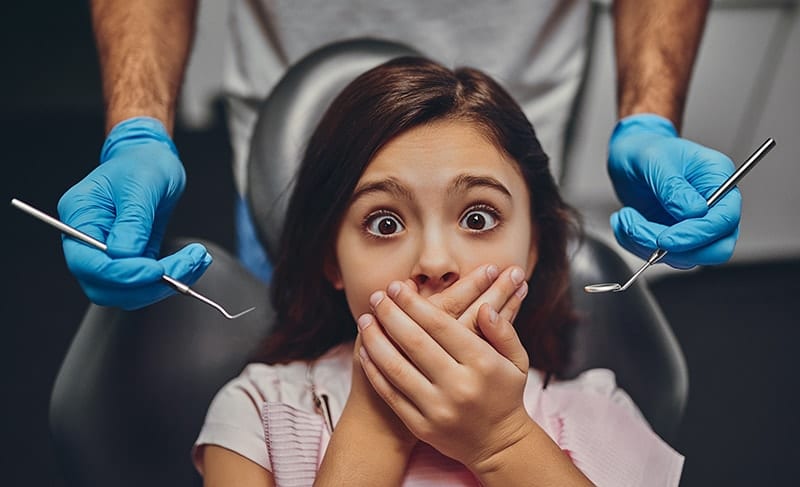
Dentophobia or dental anxiety refers to a dread of going to the dentist. Individuals with this fear feel anxious when they think about visiting a dentist or going to the dentist. Previous unpleasant experiences, familial history, or a sense of loss of control can all contribute to dentophobia. You can overcome this disorder through exposure treatment, guided imagery, and relaxation techniques. Talk to a dental expert today to learn more about caring dentistry in Sterling Heights.
What is dental anxiety?
Fear, anxiety, or tension connected with a dental environment is called dental anxiety. Fear of going to the dentist might delay or avoid orthodontic care. Needles, drills, or the dentist set can trigger dental anxiety.
Signs and symptoms of dental anxiety
Dental anxiety patients may experience the following symptoms:
- Withdrawal and the use of humor or aggressiveness to cover tension
- Sweating
- Visible anguish, sobbing, or panic
- Palpitations or a speeding heart (tachycardia)
- Low blood pressure and the possibility of fainting (syncope)
Some anxious people will frequently miss or avoid orthodontic treatment and may find it challenging to endure dental treatment, whether simple or complex.
How dental phobia or anxiety might influence your oral health
Avoiding the dentist can lead to worsening oral disease, a greater need for emergency care, or more complex treatment. It can also exacerbate the underlying issue of dental anxiety.
Frequent dental check-ups, cleanings, and X-rays of the teeth can help prevent dental disease and help the dentist detect issues early, allowing for more straightforward and less intrusive treatments. A dentist will examine for signs of oral cancer during regular check-ups, which is especially crucial for those who smoke or drink alcohol regularly, and even more so for those who do both. If you detect a mouth ulcer that lasts more than two weeks, see a dentist as soon as possible.
Most dental illness is avoidable and caused by poor lifestyle choices. By avoiding going to the dentist, you not only increase your chances of needing more complex treatments when you go but also miss out on learning how to care for your dental health effectively.
