

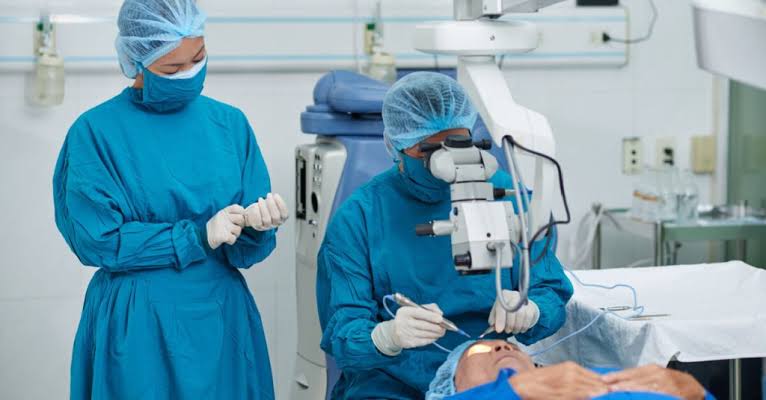
Cataracts are a common age-related eye condition in which the natural lens becomes cloudy, gradually affecting the clarity of vision. When cataracts begin interfering with everyday activities, surgery may be recommended to restore clearer sight.
Modern cataract surgery is generally considered a highly successful procedure, with millions of operations performed worldwide each year. Advances in surgical techniques, imaging, lens technology, and postoperative care have significantly improved outcomes. Nevertheless, like any medical procedure, it carries potential risks that patients should understand before making a decision.
What Happens During Cataract Surgery?
Cataract removal surgery involves removing the eye’s cloudy natural lens and replacing it with an artificial intraocular lens (IOL). The procedure is usually performed using local or topical anaesthesia, allowing the patient to remain awake while the eye is numbed.
A small incision is made in the eye, and the cloudy lens is typically broken into small pieces and removed using a technique called phacoemulsification. An artificial lens is then positioned inside the eye.
The procedure itself is often relatively short, although the complete appointment may take longer because of preparation and postoperative monitoring.
How Safe Is the Procedure?
For most suitable patients, cataract surgery has a strong safety record. Modern surgical methods use very small incisions and sophisticated instruments, helping minimise trauma to the eye.
The majority of patients experience improved vision following surgery. However, the outcome can depend on factors such as overall eye health, the presence of other eye conditions, and the patient’s general health.
A detailed examination before surgery allows the ophthalmologist to identify potential risk factors and determine whether the procedure is appropriate.
What Are the Possible Risks?
Although complications are uncommon, they can occur. Possible risks include infection, inflammation, bleeding, increased eye pressure, retinal problems, and swelling affecting the central retina.
There is also a small possibility of complications involving the artificial lens or the structures surrounding the natural lens. Some patients may experience temporary discomfort, light sensitivity, blurred vision, or fluctuations in vision while the eye heals.
Serious complications are uncommon, but patients should understand that no surgical procedure can be considered completely risk-free.
Can Vision Become Worse After Surgery?
Temporary changes in vision are possible during the recovery period. It is normal for the eye to require time to heal and adjust after cataract surgery.
Some people may experience blurred vision, glare, halos around lights, or increased sensitivity to bright environments during the early stages of recovery. These symptoms often improve as healing progresses.
However, worsening pain, significant redness, sudden loss of vision, increasing flashes or floaters, or other unexpected changes should be reported promptly to an eye specialist.
What Is Posterior Capsule Opacification?
One relatively common issue that can occur months or years after cataract surgery is posterior capsule opacification (PCO). It happens when cells grow or accumulate on the membrane behind the artificial lens, causing vision to become cloudy again.
PCO is sometimes described as a “secondary cataract,” although it is not actually a new cataract. It can usually be treated with a quick laser procedure called YAG laser capsulotomy.
This treatment creates a small opening in the cloudy membrane, allowing light to pass through the artificial lens more clearly.
How Have Modern Techniques Improved Safety?
Technological developments have made cataract surgery increasingly precise. Advanced diagnostic imaging helps surgeons assess the eye and plan treatment, while modern IOLs offer different options for addressing a patient’s visual needs.
Small-incision techniques can also reduce the amount of tissue disruption and may support faster recovery. In addition, improvements in surgical microscopes, fluid management, and intraocular lenses have contributed to predictable outcomes.
However, technology is only one part of a successful procedure. The surgeon’s experience, appropriate patient selection, careful preoperative assessment, and postoperative follow-up remain important.
How Can Patients Reduce Their Risk?
Patients can contribute to a safer recovery by following their ophthalmologist’s instructions before and after cataract surgery. This may include using prescribed eye drops, attending follow-up appointments, and avoiding activities that could expose the healing eye to injury or contamination.
It is also important to tell the surgical team about existing medical conditions, medications, previous eye procedures, and any other relevant health information.
Following postoperative instructions carefully can help identify complications early and support proper healing.
Is Cataract Surgery Right for Everyone?
Although cataract surgery is highly successful for many people, the decision should be individualised. An ophthalmologist will evaluate the severity of the cataract, visual symptoms, lifestyle requirements, and overall eye health.
People with conditions such as glaucoma, diabetic eye disease, macular degeneration, or corneal problems may have additional considerations. These conditions do not necessarily prevent surgery, but they may influence the expected visual outcome.
A Proven Procedure With a Strong Safety Record
Modern cataract surgery is generally very safe and has transformed the treatment of cataracts for millions of people. Advanced techniques and improved technology have helped make the procedure more precise, efficient, and predictable.
Nevertheless, patients should have realistic expectations and understand that complications, although uncommon, remain possible. A comprehensive consultation with a qualified ophthalmologist can help determine whether surgery is appropriate and explain the potential benefits and risks for the individual.
For anyone experiencing increasingly cloudy vision, glare, difficulty reading, or trouble seeing while driving, a professional eye examination is an important first step toward understanding the available options.
