

Key Takeaways
- Plasma donations help provide essential plasma-derived therapies for patients with serious and chronic medical conditions.
- New Jersey residents can contribute to the broader supply of plasma by donating at eligible centers throughout the state.
- Donors go through a health screening and eligibility process designed to help protect their safety and the safety of plasma recipients.
- Eligible donors may receive compensation, depending on the donation center and applicable programs.
- Plasma donation can connect individuals with a community of people who share a commitment to helping others.
- Proper preparation, including hydration, rest, and following center instructions, can help make the donation experience more comfortable.
- Donors should always check the current eligibility requirements and donation frequency rules with their chosen plasma center.
Plasma Donations Help Patients Who Depend on Plasma-Derived Therapies
One of the most important benefits of donating plasma is the potential to help people who depend on plasma-derived medicines.
Plasma is the liquid portion of blood and contains proteins, antibodies, and other components that can be used to create therapies for people with certain serious and chronic medical conditions. These treatments may be used for individuals with immune deficiencies, bleeding disorders, and other health conditions that require specialized care.
For patients who depend on these therapies, a consistent supply of donated plasma is essential. By becoming an eligible donor, New Jersey residents can contribute to the supply needed to manufacture these important treatments.
Choosing plasma donation new jersey is therefore an opportunity to make a meaningful contribution to healthcare while helping patients who may rely on plasma-derived therapies as part of their treatment.
The impact of plasma donation extends beyond the individual donor. Each donation becomes part of a larger system that helps provide resources for patients in need.
Donating Plasma Helps Support the Growing Need for Plasma
The need for plasma remains significant because plasma-derived therapies are used to treat patients with a range of medical conditions. Maintaining an adequate supply depends on the participation of eligible donors.
New Jersey residents can play a valuable role in supporting the plasma supply by choosing to donate at qualified centers.
When more eligible people participate, they help strengthen the overall donor pool and contribute to a more reliable supply of plasma for medical use.
This is particularly meaningful for patients who require ongoing treatments. Plasma-derived medicines may be needed repeatedly, making consistent donations important to the healthcare system.
By donating plasma, New Jersey residents can help address the ongoing need for plasma while making a contribution that may benefit patients locally and beyond the state.
Plasma Donation Includes a Health and Eligibility Screening
Another benefit of the donation process is that potential donors undergo screening before donating. This process is designed to determine whether the individual is eligible to donate safely.
Depending on the donation center, the screening process may include:
- Reviewing the donor’s medical history.
- Checking vital signs.
- Confirming identification.
- Evaluating general health.
- Reviewing medications and relevant medical conditions.
- Confirming that the donor meets current eligibility requirements.
These procedures help protect both the donor and the recipient of plasma-derived products.
It is important to understand that donation screening is not a replacement for routine medical care or a complete medical examination. However, it is an important safety step that helps donation centers determine whether a person is eligible to donate on a particular day.
Potential donors should answer all health questions honestly and provide accurate information to the donation center staff.
Eligible Donors May Receive Compensation for Their Time
Plasma donation can also provide a financial benefit for eligible donors. Many commercial plasma donation centers compensate donors for their time and participation.
The amount of compensation can vary depending on factors such as:
- The donation center.
- Current promotional programs.
- New-donor offers.
- The donor’s eligibility.
- The frequency of donations.
- Applicable center policies.
Because compensation programs can change, potential donors should contact their chosen donation center directly for current information about payment and incentives.
While financial compensation can be an added benefit, the primary purpose of plasma donation is to help support the supply of plasma needed for medical therapies.
For some donors, compensation provides an additional reason to participate while contributing to an important healthcare need.
Plasma Donation Can Create a Stronger Sense of Community
Plasma donation is also an opportunity to become part of a community of people who are willing to give their time to help others.
Regular donors may meet other individuals who share similar motivations and values. This can create a sense of connection and shared purpose.
Community involvement can also encourage more people to learn about plasma donation. When donors talk about their experiences and share accurate information, they may inspire friends, family members, and coworkers to explore whether they are eligible to donate.
In New Jersey, community awareness can play an important role in encouraging more eligible residents to participate.
A stronger donor community can help create greater awareness about the importance of plasma and the patients who rely on plasma-derived therapies.
What to Expect When Donating Plasma in New Jersey
For first-time donors, understanding the process can make the experience less intimidating.
Although procedures vary by facility, the donation process generally includes several steps.
Registration
New donors typically provide identification and complete required forms and health questionnaires.
Health Screening
Donation center staff review the donor’s health information and conduct the required checks to determine eligibility.
Plasma Collection
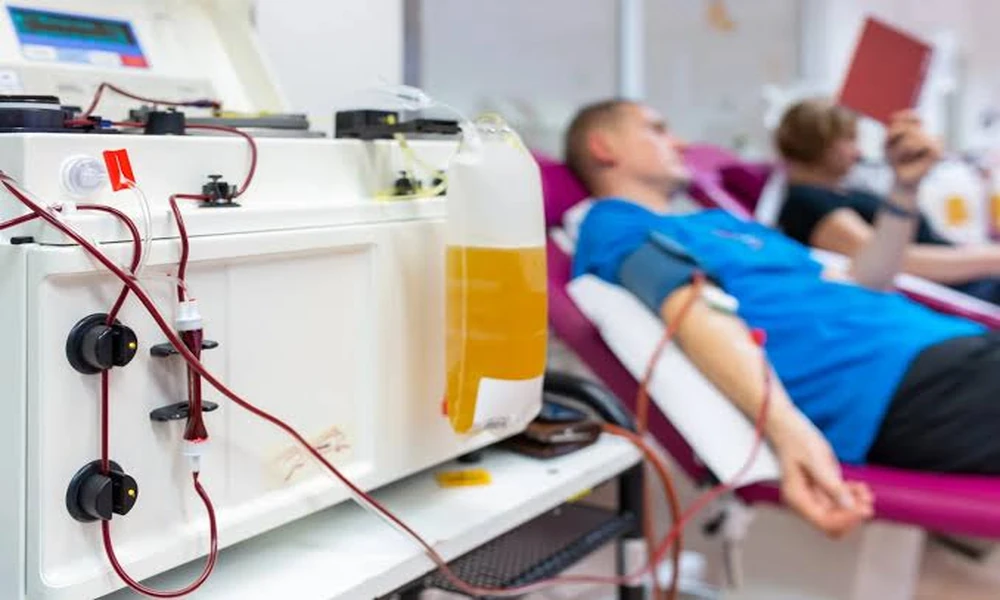
Once approved, the donor proceeds with the plasma collection procedure. The exact duration varies depending on the facility and individual circumstances.
Recovery
After the donation, donors may be encouraged to rest briefly and consume refreshments before leaving the facility.
The entire appointment may take longer than the actual collection process because registration, screening, and recovery are also part of the visit.
How to Prepare for a Plasma Donation
Proper preparation can help make the donation experience more comfortable.
Before an appointment, donors should follow the specific instructions provided by their donation center. General preparation recommendations may include:
- Drink plenty of water.
- Eat a nutritious meal as recommended by the center.
- Get enough sleep before the appointment.
- Bring valid identification.
- Wear comfortable clothing.
- Follow all eligibility and health instructions.
Donors should also inform the center about any medications, medical conditions, or other factors that could affect eligibility.
If you are unsure whether you qualify, contacting the donation center before scheduling an appointment can help clarify the requirements.
What Happens After Donating Plasma?
After donating, individuals should follow the aftercare instructions provided by the donation center.
Donors may be encouraged to:
- Drink fluids.
- Eat a snack or meal.
- Rest if needed.
- Avoid strenuous activity for the recommended period.
- Monitor how they feel after the donation.
Some donors may experience temporary effects such as mild bruising, fatigue, or lightheadedness. These effects are generally manageable, but donors should inform staff if they feel unwell after donating.
Following post-donation instructions can help support a comfortable recovery.
Who Can Donate Plasma in New Jersey?
Eligibility requirements vary depending on the donation center and applicable regulations. Potential donors may need to meet requirements related to:
- Age.
- Weight.
- General health.
- Medical history.
- Medications.
- Identification.
- Previous donation history.
Because requirements can change, individuals should verify the current eligibility rules directly with the plasma donation center they plan to visit.
Passing an eligibility screening does not guarantee that a person can donate at every visit. Donation centers evaluate donors according to their current health status and applicable safety requirements.
How Often Can You Donate Plasma?
The frequency of plasma donations depends on applicable regulations, medical eligibility, and the policies of the specific donation center.
Unlike whole-blood donation, plasma donation may be permitted more frequently under applicable guidelines because many of the donor’s blood components are returned during the collection process.
However, donors should never assume that a specific schedule applies to them. The donation center will provide guidance regarding how frequently an eligible individual may donate.
Following the recommended schedule is important for protecting donor health and maintaining safe donation practices.
FAQ
What are the main benefits of donating plasma in New Jersey?
The main benefits include helping support patients who depend on plasma-derived therapies, contributing to the plasma supply, participating in a regulated donation process, potentially receiving compensation from eligible donation centers, and becoming part of a community-focused effort.
Can anyone donate plasma?
No. Plasma donation centers have eligibility requirements that potential donors must meet. These may include age, weight, health status, medical history, and other factors. The center will conduct a screening to determine eligibility.
How does plasma donation help patients?
Donated plasma contains proteins and antibodies that can be used to manufacture therapies for people with certain serious and chronic medical conditions. These treatments can be essential for patients who depend on plasma-derived medicines.
Do plasma donors get paid in New Jersey?
Some commercial plasma donation centers compensate eligible donors. The amount and structure of compensation vary by center and may change over time. Potential donors should contact the facility directly for current information.
How long does a plasma donation appointment take?
The total appointment time varies by facility and donor. The visit generally includes registration, health screening, the collection procedure, and recovery, so donors should allow enough time for the complete process.
How should I prepare for plasma donation?
Donors should follow the instructions provided by their donation center. General preparation may include staying hydrated, eating a nutritious meal, getting enough rest, and bringing valid identification.
Are there risks associated with plasma donation?
Plasma donation is performed using regulated procedures, but some donors may experience temporary effects such as bruising, fatigue, or lightheadedness. Potential donors should discuss any health concerns with donation center staff.
How often can I donate plasma?
Donation frequency depends on applicable regulations, the donor’s eligibility, and the policies of the specific center. Always follow the schedule provided by the donation facility.
Is plasma donation different from whole-blood donation?
Yes. Plasma donation focuses on collecting plasma, the liquid component of blood, while returning certain other blood components to the donor. The procedures, appointment times, and eligibility requirements can differ.
How can I encourage others to donate plasma?
You can share accurate information about plasma donation, talk about your personal experience, and encourage friends or family members to check whether they are eligible. Potential donors should always confirm current requirements with a qualified donation center.
