


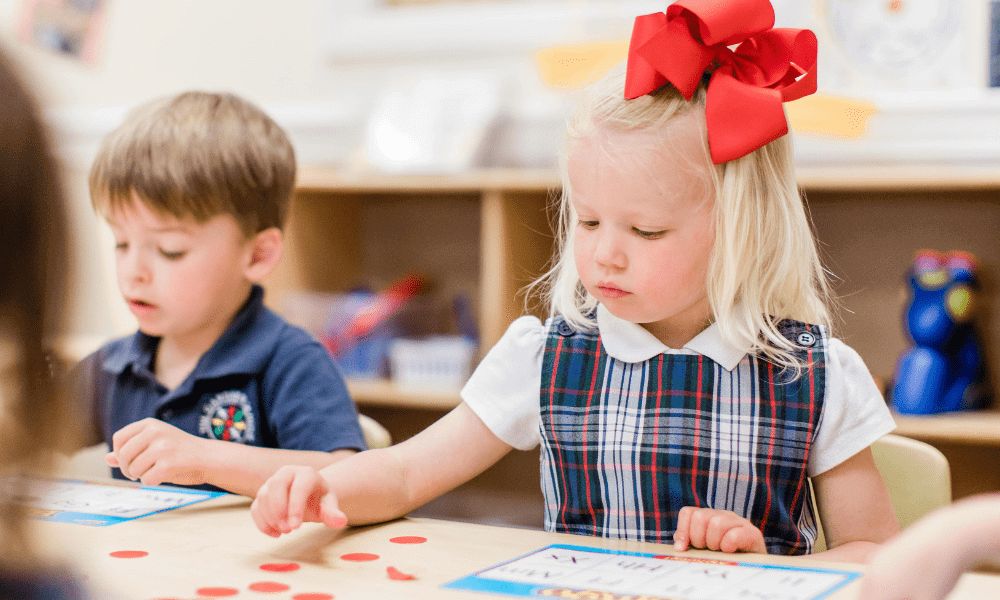
Early childhood development is a crucial period that sets the foundation for lifelong learning, behavior, and health. A strong preschool program plays a vital role in this developmental phase, offering children the tools they need to succeed academically and socially. This blog explores the significance of a robust preschool program and its lasting impact on young learners.
Fostering Emotional and Social Skills
One of the primary benefits of a preschool program is its focus on nurturing emotional and social development. During these formative years, children learn how to interact with their peers, understand their feelings, and manage emotions.
A well-structured preschool program encourages group activities and cooperative play, allowing kids to build relationships and develop empathy. Through positive interactions and guided experiences, children learn essential social skills that will serve them throughout their lives.
Encouraging Cognitive Growth
A strong preschool program is also crucial for cognitive development. Preschool is the perfect environment for young minds to explore, experiment, and discover. Educational activities designed for this age group stimulate curiosity and promote critical thinking.
Teachers use age-appropriate methods to introduce concepts like numbers, letters, and shapes through engaging narratives, games, and hands-on experiences. This foundational learning prepares children for the academic challenges they will face in elementary school and beyond.
Building Language and Communication Skills
Language development is a key focus in any effective preschool program. Children are encouraged to express themselves verbally, which aids in vocabulary expansion and comprehension skills.
Activities that include storytelling, songs, and discussions foster communication abilities, helping them articulate thoughts and feelings. Enhanced language skills are linked to better performance in school, making early language development a critical aspect of a strong preschool program.
Promoting Independence and Self-Confidence
A significant aspect of early childhood education is cultivating independence and self-confidence in young learners. A strong preschool program empowers children to make choices, follow routines, and solve problems on their own.
Whether it’s deciding which activity to engage in or learning to share and take turns, preschool teaches kids valuable lessons in autonomy. As they accomplish tasks independently, children build self-esteem, crucial for their emotional well-being and future educational pursuits.
Preparing for the Transition to Elementary School
A well-designed preschool program serves as a bridge between home life and elementary school. By introducing structure and routine, preschool helps children adjust to the expectations of a formal educational environment.
Skills gained in preschool, such as following directions, working in a group, and focusing on tasks, prepare children for their future academic journey. This smooth transition is essential for reducing anxiety and ensuring children are ready to thrive in school.
Conclusion
In conclusion, a robust preschool program is vital for early childhood development. It fosters emotional and social skills, encourages cognitive growth, and builds language and communication abilities. By promoting independence and preparing children for the transition to elementary school, preschool programs lay a solid foundation for future success.
Engaging families further amplifies the benefits, ensuring that children receive the support they need during these formative years. Investing in a quality preschool program is one of the most impactful decisions parents can make for their children’s future.