

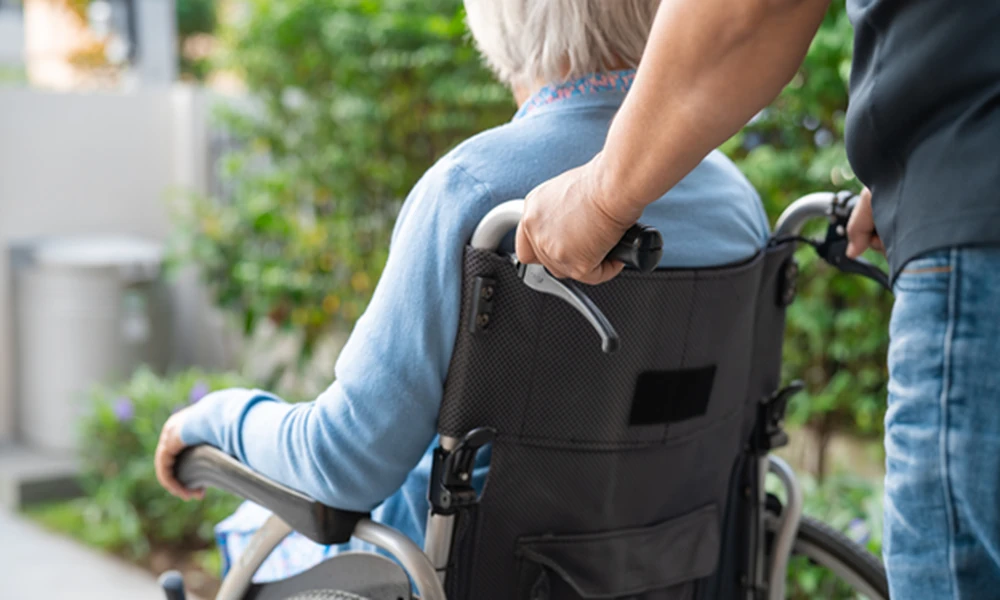
When searching for an in-home caregiver for an aging parent or relative, warmth and empathy are usually at the top of the family’s wish list. While a compassionate heart is completely irreplaceable, professional competence is what ultimately ensures a senior’s safety, physical health, and dignity.
High-quality senior care requires specialized knowledge. A reputable home care provider doesn’t just send anyone into a home; they ensure their staff undergoes comprehensive, ongoing instruction. Here are seven crucial topics that an elite senior caregiver training program must cover to truly prepare a professional for the complexities of in-home care.
1. Fall Prevention and Advanced Home Safety
Falls are the leading cause of both fatal and non-fatal injuries among older adults, often triggering a difficult cascade of health complications. A rigorous training program teaches caregivers how to perform an ongoing environmental safety sweep. Caregivers learn to identify hidden trip hazards-such as loose rugs, poorly lit hallways, or cluttered pathways-and correct them. Furthermore, they are trained to properly inspect and set up essential mobility aids, including walkers, canes, and wheelchairs, ensuring they are always safe for the senior to use.
2. Emergency Preparedness and Crisis Protocols
When a medical emergency occurs, split-second decisions matter. High-quality training programs go far beyond basic First Aid and CPR certifications. They instill a deep understanding of crisis protocols specifically tailored to older adults. Caregivers must be trained to recognize the subtle, early warning signs of a stroke, heart attack, or severe dehydration. They also learn to identify atypical symptoms of conditions like Urinary Tract Infections (UTIs), which frequently manifest as sudden, severe confusion in seniors. Training ensures they know exactly who to call, how to manage the senior during a crisis, and how to relay critical medical data to emergency personnel.
3. Specialized Dementia and Alzheimer’s Care Strategies
Cognitive decline requires a completely different approach than standard physical care. Elite training programs must include dedicated modules on memory care. This instruction equips caregivers with the tools to navigate challenging behaviors associated with dementia, such as sundowning, wandering, anxiety, or sudden agitation. Rather than arguing with or correcting a confused senior, a trained professional learns specialized techniques like validation therapy, redirection, and how to maintain calm, predictable routines that foster emotional security.
4. Infection Control and Hygiene Standards
Protecting vulnerable seniors from illnesses requires strict adherence to sanitary protocols. Comprehensive training must cover universal medical precautions, proper handwashing techniques, the sanitization of high-touch surfaces, and the safe disposal of personal care items. Additionally, caregivers are taught how to assist with personal hygiene-such as bathing, toileting, and grooming-in a way that prevents skin breakdown and infections while fiercely protecting the senior’s privacy, self-esteem, and dignity.
5. Safe Transferring and Proper Body Mechanics
Assisting a senior out of bed, helping them stand up from a low couch, or guiding them into a vehicle requires physical skill, not just brute strength. Without proper training, both the caregiver and the senior face an incredibly high risk of severe muscle strains or skeletal injuries. Caregivers must be thoroughly trained in correct body mechanics, including how to lift with their legs, how to use transfer boards or gait belts safely, and how to manage shifts in weight without placing undue stress on the senior’s fragile joints.
6. Nutrition, Hydration, and Specialized Diets
An older adult’s nutritional needs are frequently dictated by chronic health conditions. A top-tier training curriculum educates caregivers on how to plan and prepare meals that adhere to strict medical guidelines. This includes managing low-sodium restrictions for heart health, balancing carbohydrates for diabetic diets, or preparing soft-textured foods for seniors struggling with swallowing difficulties (dysphagia). Caregivers are also trained to actively monitor fluid intake, as dehydration is a frequent and preventable cause of hospitalization in the elderly.
7. Effective Communication and Emotional Well-Being
Eldercare is as much emotional as it is physical. Training programs must emphasize active listening and communication strategies that respect the senior’s autonomy. Caregivers learn how to read non-verbal cues, manage a senior’s natural resistance to receiving care with patience, and provide life-enriching companionship that actively combats depression and isolation. This training also helps caregivers identify the subtle signs of emotional distress, allowing them to provide a comforting presence and report behavioral changes to family members.
Welcoming a care professional into your home should never feel like a gamble. By ensuring that a caregiver has mastered these seven critical domains, families can rest easy knowing their loved one is protected by verified professional expertise.
If you are ready to secure this elite level of support for your family, take the time to vet providers thoroughly. Finding verified senior caregivers near me through a fully licensed, strictly managed agency is the best way to guarantee that your caregiver possesses both the compassionate heart and the rigorous training required to give your loved one the exceptional care they deserve.
