

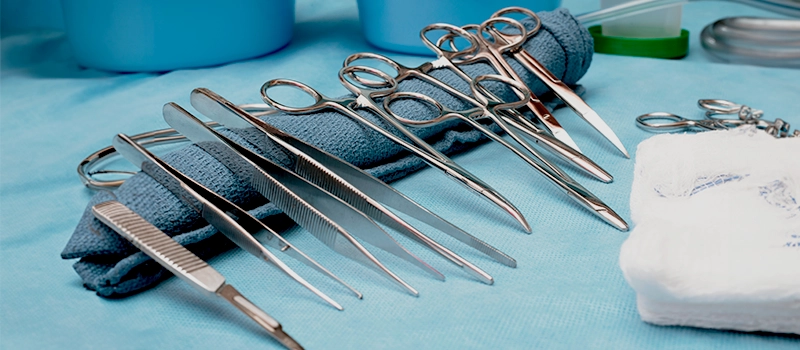
In the medical field, precision and control are essential, and surgical instruments play a critical role in achieving optimal outcomes. Among these instruments, thumb forceps are indispensable tools used across a wide variety of procedures. Their design, simplicity, and functionality allow medical professionals to handle tissues, sutures, and other materials with accuracy and care. Understanding the proper selection, usage, and maintenance of thumb forceps is vital for both new practitioners and experienced surgeons who aim to perform procedures efficiently and safely.
Thumb forceps are not merely instruments; they represent the bridge between surgical intent and meticulous execution. These tools are integral to tasks that require fine motor skills, such as wound closure, tissue manipulation, and delicate dissections. The versatility of thumb forceps ensures that they remain a cornerstone in operating rooms, clinics, and even dental and veterinary practices. By exploring the types, techniques, and best practices for thumb forceps, medical professionals can enhance their surgical performance and contribute to better patient outcomes.
Understanding the Types and Functions of Thumb Forceps
Thumb forceps come in a variety of designs, each tailored to specific surgical needs. The most common types include plain, toothed, and dressing forceps, each offering distinct advantages. Plain thumb forceps are generally smooth, making them ideal for handling delicate tissues without causing trauma. Toothed forceps, often referred to as Adson or rat-tooth forceps, provide a firmer grip on denser tissue or materials like sutures. Dressing forceps, meanwhile, are designed for handling gauze and other dressings without damaging the material or compromising sterility.
The choice of thumb forceps depends on the type of procedure and the tissue being manipulated. For example, during plastic or reconstructive surgery, the precision offered by fine-toothed forceps ensures minimal tissue damage. In contrast, in general surgery or wound care, a broader gripping surface may be preferred to manage bulkier tissues or materials. Understanding these nuances allows medical professionals to select the right instrument for each specific task, ultimately improving procedural efficiency and reducing the risk of complications.
Beyond their physical design, thumb forceps also vary in size, length, and weight. Longer forceps provide extended reach in deeper surgical fields, while shorter forceps offer better control in confined areas. The material of construction, often stainless steel, ensures durability and ease of sterilization, while ergonomic designs reduce hand fatigue during prolonged procedures. Familiarity with these variations equips medical professionals to make informed choices, adapting their tools to the demands of each surgical scenario.
Proper Techniques and Handling
Using thumb forceps effectively requires proper technique and hand positioning. The correct grip involves holding the forceps between the thumb and index finger, allowing fine control and precise manipulation. Unlike needle holders or scissors, thumb forceps rely on a pinching motion rather than a locking mechanism. This difference emphasizes the importance of dexterity and steady hands when performing delicate tasks.
Medical professionals must also understand the appropriate application of pressure. Excessive force can cause tissue trauma, while too little pressure may result in slippage and procedural delays. Practicing consistent and gentle pressure ensures that tissues are handled safely and sutures are maintained securely during procedures. Many training programs emphasize repetitive practice with different types of forceps to develop muscle memory and confidence in handling.
Another critical aspect of thumb forceps usage is maintaining sterility and preventing contamination. Forceps must be properly sterilized before each procedure, and care must be taken to avoid contact with non-sterile surfaces. Handling forceps with a steady hand and maintaining a clean workspace not only protects patients but also preserves the longevity of the instruments. Additionally, understanding when to switch between different types of forceps during a procedure allows surgeons to maintain precision and efficiency, avoiding unnecessary delays or errors.
Maintenance and Care of Thumb Forceps
Proper maintenance of thumb forceps is essential to ensure their longevity and reliable performance. After each use, forceps should be cleaned thoroughly to remove blood, tissue, and other debris. High-quality stainless steel forceps can withstand repeated sterilization cycles, but regular inspection for damage, rust, or misalignment is crucial. Any defects can compromise performance and patient safety, making routine checks a fundamental part of instrument care.
Medical professionals should also be aware of proper storage techniques. Keeping thumb forceps in dedicated trays or containers prevents accidental bending or contamination. Maintaining a consistent and organized storage system helps surgical teams quickly access the right instrument when needed, reducing procedural delays and improving overall workflow. Lubrication of joints, when applicable, can also extend the functional lifespan of certain forceps, ensuring smooth operation during critical procedures.
In addition to physical care, continuous professional education plays a role in optimizing the use of thumb forceps. Workshops, surgical simulations, and peer learning sessions provide opportunities for medical staff to refine their techniques, discover best practices, and stay updated on innovations in instrument design. Combining proper maintenance with ongoing skill development ensures that thumb forceps continue to serve as reliable tools in diverse medical settings.
The Role of Thumb Forceps in Modern Medical Practice
Thumb forceps are more than just surgical tools-they are fundamental instruments that enhance precision, efficiency, and patient safety across a wide range of medical disciplines. Their versatility allows them to adapt to various procedures, from minor wound care to complex surgeries, while their ergonomic design supports prolonged use without compromising control. By mastering the use of thumb forceps, medical professionals can execute procedures with confidence, ensuring that both delicate tissues and essential materials are handled appropriately.
The significance of thumb forceps extends beyond the operating room. In dental practices, veterinary procedures, and emergency care, these instruments provide the dexterity and reliability necessary for effective treatment. Understanding the nuances of forceps types, handling techniques, and maintenance practices enables professionals to optimize their performance, reduce procedural errors, and ultimately improve patient outcomes. As surgical and clinical demands continue to evolve, thumb forceps remain an essential component of the medical professional’s toolkit, combining simplicity, versatility, and precision in a single, indispensable instrument.
