

Seasonal allergies are commonly caused by airborne allergens like pollen, mold spores, and dust mites, which fluctuate depending on the time of year. Spring and fall typically bring high pollen counts, while mold thrives in warm, humid conditions during summer and can linger into fall. Indoors, these allergens can accumulate and cause symptoms like sneezing, congestion, itchy eyes, and respiratory irritation. To alleviate symptoms, many people turn to air treatment devices—but choosing between a humidifier and an air purifier depends on your specific needs and seasonal conditions. Question is what is better for allergies humidifier or air purifier?
Air Purifiers: Filtering Allergens Year-Round
Air purifiers are specifically designed to remove airborne allergens and particles from indoor air. HEPA-equipped purifiers can trap up to 99.97% of pollen, dust, pet dander, and mold spores, making them highly effective during peak allergy seasons. For spring and fall allergies, when pollen is prevalent, an air purifier is your best defense. It helps prevent outdoor allergens from settling inside your home. Additionally, air purifiers are useful year-round, especially in urban areas where air pollution can worsen respiratory symptoms. For allergy sufferers, investing in a quality air purifier is often a long-term solution to improve indoor air quality and reduce symptom flare-ups.
Humidifiers: Moisture for Winter Relief
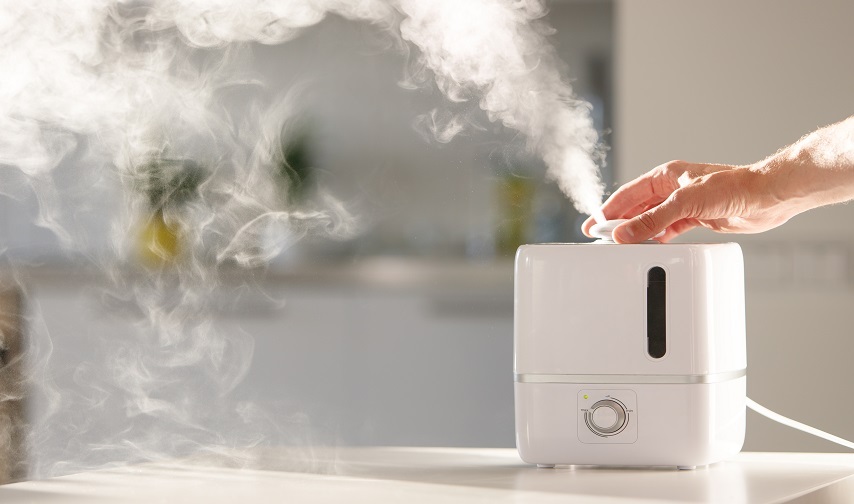
While air purifiers clean the air, humidifiers add moisture to it, which can be beneficial in dry climates or during the winter months when indoor heating systems reduce humidity levels. Dry air can irritate nasal passages and throats, making allergy symptoms feel worse, especially for those with dust or mold sensitivities. A humidifier helps by maintaining a comfortable humidity level—ideally between 30% and 50%—to soothe irritated sinuses and improve respiratory comfort. However, too much humidity can promote mold growth, which may trigger allergies, so monitoring indoor humidity is essential.
When to Use Both Devices Together
For individuals with year-round allergies or multiple triggers, using both a humidifier and an air purifier can provide comprehensive relief. During spring and fall, rely more heavily on an air purifier to combat pollen and airborne allergens. In winter, when dry air exacerbates respiratory discomfort, a humidifier can ease symptoms while the purifier continues to handle dust and dander. Make sure your humidifier is cleaned regularly to prevent mold and bacteria growth, and choose an air purifier with a HEPA filter and, ideally, an activated carbon filter for added protection against odors and VOCs.
Choosing the Right Device for Your Home
When deciding between a humidifier and an air purifier, consider your climate, allergy symptoms, and the time of year. If you struggle most with outdoor allergens like pollen, an air purifier should be your first investment. For dry-air-related symptoms like irritated sinuses or nosebleeds in winter, a humidifier may help more. Ultimately, a tailored approach that adapts to seasonal changes and combines both tools when necessary can significantly improve indoor air quality and enhance allergy management throughout the year.
